Five ways 3D printing can add value to your component design
Topic
Casting, moulding, and machining are all traditional manufacturing methods used for component production—but 3D printing component design is becoming mainstream too. Short, reliable lead times and digital warehousing aside, 3D printed components offer a range of additional value-added solutions that can improve product performance and save money compared to conventional manufacturing techniques.
Here are five of them:
Weight Saving
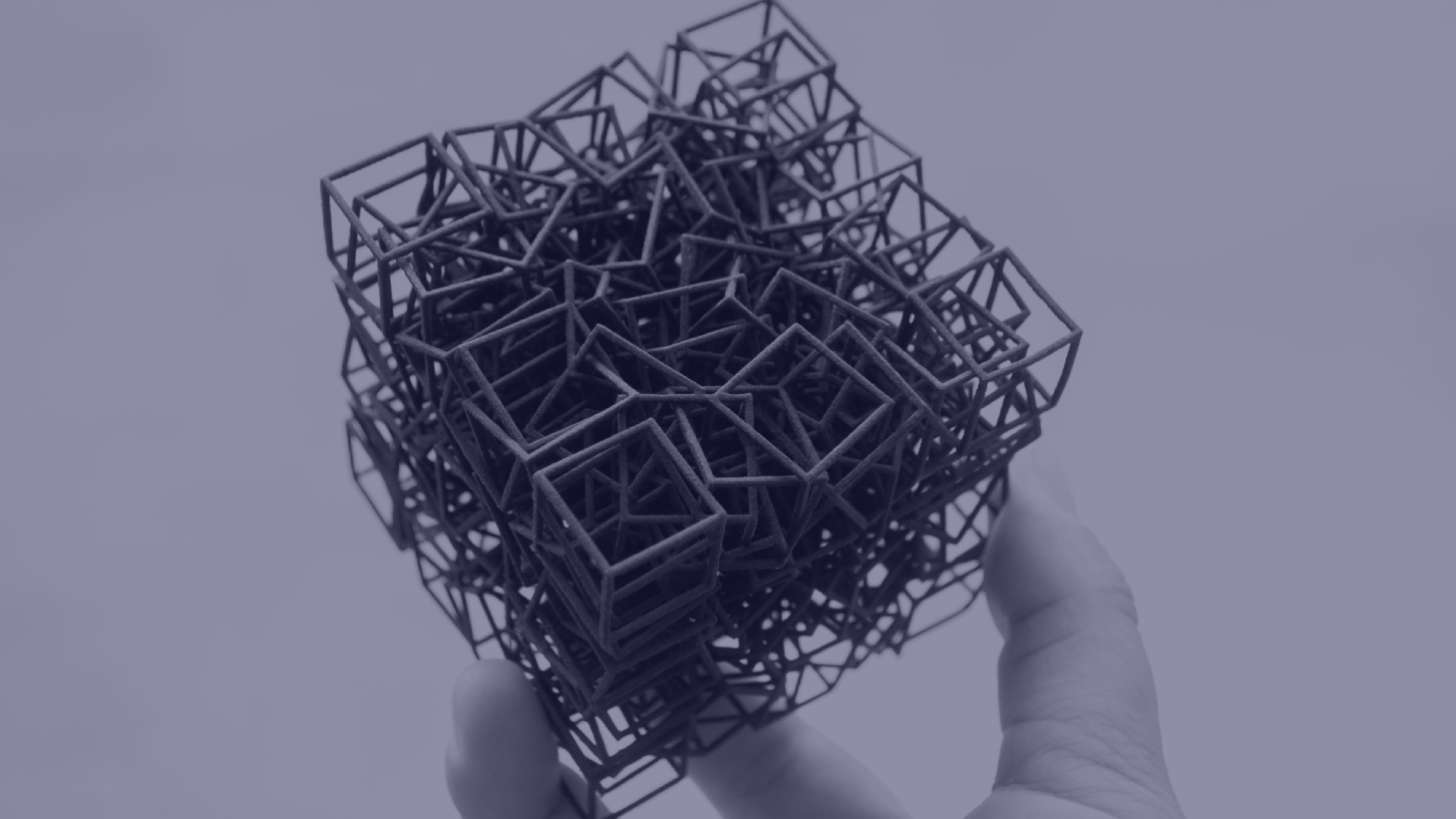
Producing parts that are lighter, without compromising performance, often requires lattice or mesh structures that can be prohibitively expensive using traditional subtractive or formative manufacturing methods.
This cost barrier is easily overcome through design for additive manufacturing (DfAM). Known for making light work of complex geometries, 3D printing component design can deliver the weight reduction you need while maintaining the strength and robustness required for optimal component performance.
Reduced Assembly
Many components are manufactured in multiple pieces and assembled afterwards because of the inherent restrictions of traditional production methods.
Using 3D printing to produce production-volume parts gives engineers greater design freedom, allowing complex assemblies to be consolidated into a single printable component. This is one of the key 3D printing design benefits, reducing labour, simplifying production, and often eliminating entire assembly processes.
The result is not only lower manufacturing costs but also improved product appearance and functionality.
Easy Ergonomics for Ease of Use
When creating products for manual operation, curved, organic shapes are often preferred to improve user comfort. However, ergonomic geometries can be difficult and expensive to manufacture using conventional methods.
With component design 3D printing, these ergonomic forms can be produced easily without increasing production time or tooling costs, making it much simpler to enhance user experience.
Incorporating Logos and Serial Numbers
Embedding logos or serial numbers directly into the design of a component creates a high-quality finish while removing additional post-production processes.
There are practical advantages, too. Permanent branding or identification integrated into 3D printed components will not wear off or detach labels or stickers, helping maintain traceability throughout the product’s operational life.
Mass Customisation
The rise of custom orthodontic aligners is an excellent example of mass customisation enabled through design for additive manufacturing. The same concept is now becoming increasingly popular across many other industries.
With 3D printing, designs are stored digitally in a virtual warehouse, allowing products to be modified, customised, and manufactured on demand with fast lead times and no minimum order quantities. This enables manufacturers to offer personalised options for high-value products without significantly increasing production costs.
Margins of Gain with Small Tweaks
By making relatively small improvements during the 3D printing component design process, manufacturers can achieve meaningful gains in product performance, manufacturing efficiency, and profitability.
These incremental improvements are often where the greatest 3D printing design benefits are realised, particularly when components are optimised specifically for additive manufacturing.
There are many other ways 3D printing can add value to your next project. Why not share your next design with us to learn more? Send it to 3dsales@bowman.co.uk.